Home › Blog › Pickleball & Padel Court Business 2026 - Costs, Revenue & Location Guide
Pickleball & Padel Court Business 2026 - Costs, Revenue & Location Guide
By Spotfic Team · Wed Feb 11 2026
How to start a pickleball or padel court business in 2026. Covers construction costs, revenue models, membership pricing, and location strategy across the US, UK, Canada, and Australia.
Pickleball participation in the US grew 223% between 2020 and 2025, making it the fastest-growing sport in America for the fourth consecutive year. Meanwhile, padel (the tennis-squash hybrid that has taken Europe by storm) is now the fastest-growing racket sport globally, with court construction booming in the UK, Canada, Australia, and the Middle East.
Both sports share a critical business characteristic: they need purpose-built facilities. You cannot play pickleball on a tennis court (well, you can, but the experience is poor). You cannot play padel anywhere except a padel court. This means the supply of courts is the bottleneck, not demand. And whoever builds courts in the right locations first captures that demand.
This guide breaks down the economics of both sports, what it costs to build, how to generate revenue, and most importantly, how to pick a location where courts will be booked solid.
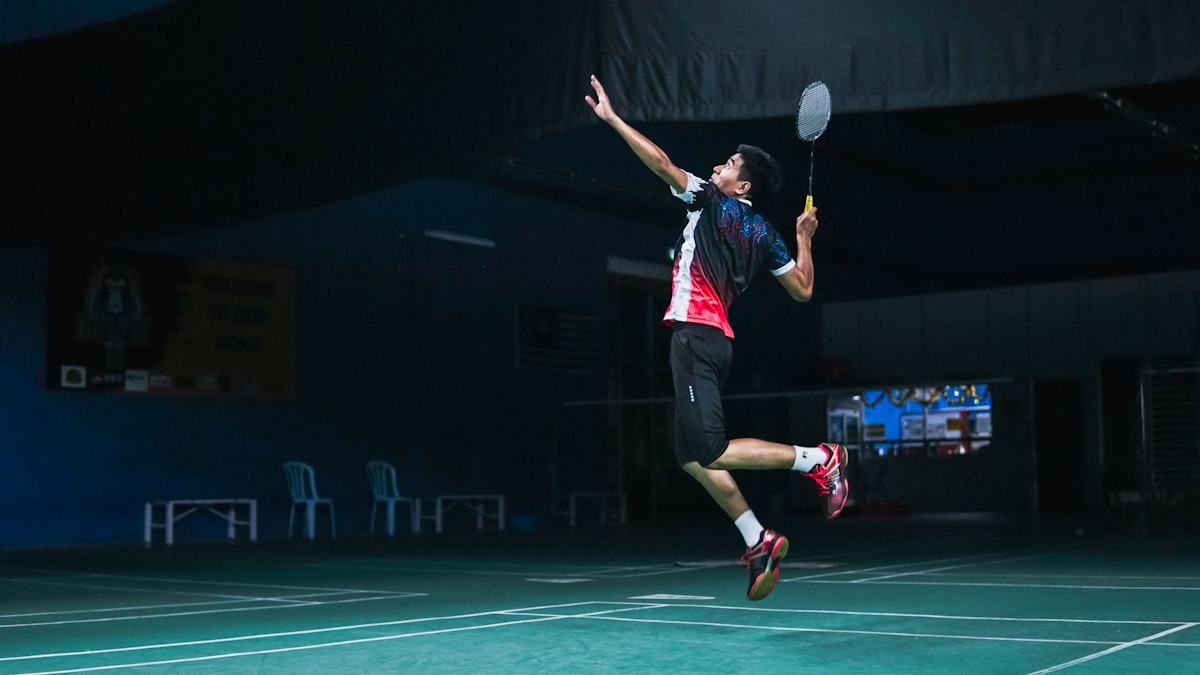
Pickleball: The Numbers Behind the Hype
Pickleball has crossed the threshold from trend to mainstream. The Association of Pickleball Professionals estimates there are now 48.3 million pickleball players in the US alone, up from 4.8 million in 2021. The sport has expanded beyond its original retirement-community base to include players aged 18-44 as the fastest-growing segment.
- There are roughly 14,000 known pickleball locations in the US, but demand far exceeds supply in most metro areas. Wait times of 30-60 minutes for open play are common at popular facilities
- The average pickleball player plays 8 times per month and spends $200-400 annually on equipment and court fees
- Indoor pickleball facilities are growing fastest because they solve the weather and noise problems that plague outdoor courts
- Major League Pickleball (MLP) and the PPA Tour have brought broadcast deals and celebrity ownership (LeBron James, Tom Brady, Kim Kardashian own MLP teams), accelerating mainstream awareness
- The pickleball equipment and facility market is projected to reach $2.7 billion by 2030
Padel: The Global Contender
If pickleball is America's sport, padel is the rest of the world's. Originating in Mexico and popularized in Spain, padel is now played by over 25 million people across 90 countries. The UK, Canada, Australia, and the Middle East are the fastest-growing markets outside Spain and Latin America.
- The UK went from 150 padel courts in 2020 to over 400 in 2026. The Lawn Tennis Association (LTA) is investing 25 million GBP in padel infrastructure, targeting 400+ additional courts by 2028
- Canada has seen padel court construction grow 300%+ since 2022, with Toronto, Vancouver, and Montreal leading adoption
- Australia's padel scene is early but accelerating. Sydney, Melbourne, and Brisbane have new facilities opening monthly, driven by Spanish and Latin American expat communities
- Padel courts cost more to build than pickleball courts (glass walls, specific dimensions) but generate higher revenue per court due to premium pricing and year-round indoor playability
- The global padel market is growing at 12% CAGR and is expected to be worth $3 billion by 2030
Construction Costs: What It Actually Takes to Build
Pickleball Court Costs
- Outdoor court (single): $20,000-40,000 for surface, net system, fencing, and line marking. Surface options include concrete with acrylic coating ($15-25/sq ft) or modular sport tiles ($3-8/sq ft)
- Indoor conversion (warehouse or retail space): $50,000-100,000 per court including flooring, lighting (LED sport lighting at 50+ foot-candles), HVAC, soundproofing, and net systems
- Full indoor facility (6-12 courts): $500,000-2,000,000 depending on location, lease vs purchase, and amenities (pro shop, cafe, locker rooms)
- Typical facility size: 25,000-50,000 sq ft for 8-12 indoor courts with common areas
- Noise mitigation: $10,000-30,000 for soundproofing if courts are near residential areas. Pickleball noise complaints are a real zoning issue in many cities
Padel Court Costs
- Single padel court: $60,000-120,000 (80,000-150,000 for premium models). Includes glass walls (tempered safety glass), artificial turf playing surface, steel structure, and lighting
- Indoor padel facility (4-8 courts): $500,000-1,500,000 depending on building lease/purchase and court quality. European manufacturers (Mondo, Padelcreations) offer turnkey packages
- Outdoor padel installation: $50,000-90,000 per court. Lower cost than indoor but limited by weather. Common in Australia, Spain, and the Middle East
- Typical facility: 15,000-30,000 sq ft for 4-6 padel courts. Padel courts are 20m x 10m (2,150 sq ft each), larger than pickleball courts (20 x 44 ft, 880 sq ft)
- Key cost factor: Glass walls account for 30-40% of padel court construction cost. Cheaper alternatives (polycarbonate panels) exist but reduce the premium feel
Revenue Models That Work
The best racket sport facilities use a diversified revenue model. Here is what each stream contributes.
- Court rentals (40-50% of revenue): $20-50/hour for pickleball, $40-80/hour for padel. Peak hours (6-9 PM weekdays, all day weekends) command premium pricing. Off-peak discounts fill empty slots
- Memberships (20-30% of revenue): $50-150/month for unlimited or priority booking. Memberships create predictable recurring revenue and lock in customers. A 200-member facility generates $15,000-30,000/month in membership fees alone
- Coaching and clinics (10-15% of revenue): $40-80/hour for private lessons, $15-30/person for group clinics. Both sports have a steep learning curve, creating ongoing coaching demand
- Leagues and tournaments (5-10% of revenue): Weekly leagues ($50-100/season per player) and monthly tournaments ($20-40 entry fee) build community and fill off-peak hours
- Pro shop and food/beverage (5-10% of revenue): Paddle sales, grip tape, balls, apparel. A small cafe or smoothie bar adds $3,000-8,000/month. Some facilities partner with local coffee shops or food trucks
A well-run 8-court indoor pickleball facility in a strong market can generate $600,000-1,200,000 in annual revenue. A 6-court padel facility with premium positioning can generate $800,000-1,500,000. Break-even typically occurs within 18-30 months.
Location Strategy: Where to Build Courts
Location is the single biggest factor in court utilization rates. Here is what the data shows about where racket sport facilities succeed.
The Ideal Location Profile
- Population density: At least 50,000 people within a 15-minute drive. Racket sport players will drive 10-15 minutes to their preferred facility, but rarely more than 20
- Demographics: Household income above the area median. Pickleball skews slightly older (35-65 with the fastest growth in 25-34). Padel skews younger and more urban (25-45). Use demographic analysis to verify the age and income profile
- Competition gap: No more than 1 existing facility within a 15-minute drive radius. The market is new enough that many areas have zero dedicated facilities. Check competition density before committing
- Building type: Warehouses, defunct retail spaces (former big-box stores), and industrial buildings work well for indoor conversion. Ceiling height of 25+ feet is ideal (30+ for padel). Many shuttered Sears, Kmart, and Toys R Us locations are being converted into pickleball facilities across the US
- Parking: Minimum 1.5 parking spots per court. Players arrive with equipment bags and prefer drive-to locations. This is a key difference from gyms, which benefit from walkable locations
- Zoning: Check noise ordinances carefully. Pickleball is louder than most sports (75-80 dB at court level). Several US cities have banned outdoor pickleball courts in residential zones. Indoor facilities avoid this issue entirely
Best Markets by Country
- US (pickleball): Fastest-growing markets include Austin, Nashville, Denver, Phoenix, Tampa, Charlotte, and Boise. Suburban areas in the Sun Belt with active-lifestyle demographics are ideal. Florida alone has 3,000+ pickleball courts but demand still outstrips supply
- UK (padel): London (strong demand, limited supply), Manchester, Birmingham, Edinburgh, Bristol. The LTA's investment is concentrated in these cities. Suburban tennis clubs converting courts to padel is an emerging trend
- Canada (both): Toronto and Vancouver for padel. Calgary, Edmonton, and Ottawa for pickleball. Canada has weather-driven demand for indoor facilities 8+ months per year, creating a natural moat for indoor court operators
- Australia (padel): Sydney (Eastern Suburbs, Northern Beaches), Melbourne (inner suburbs), Brisbane, Perth. The climate supports year-round outdoor padel, reducing construction costs significantly
Indoor vs Outdoor: Which Should You Build?
- Indoor is better if: You are in a cold-weather market (Canada, Northern US, UK), near residential areas with noise concerns, or want year-round consistent revenue. Indoor facilities command 30-50% higher court fees and have 3-4x the revenue per court of outdoor facilities
- Outdoor is better if: You are in a warm climate (Florida, Australia, Southern California), have lower startup capital, or are adding courts to an existing sports facility. Outdoor courts cost 50-70% less to build
- The hybrid approach: Some facilities build 4-6 indoor courts and 2-4 outdoor courts. Indoor courts generate premium revenue year-round while outdoor courts add capacity during peak seasons. This maximizes revenue per square foot
Pickleball vs Padel: Which to Choose?
- Choose pickleball if: You are in the US (where demand is proven and massive), have lower capital ($500K-1.5M for a full facility), and want to serve a broader age range (25-70+)
- Choose padel if: You are in the UK, Canada, Australia, or Europe (where padel momentum is strongest), can invest $800K-2M, and want to position as a premium sports facility with higher per-court revenue
- Consider both if: You have the space and capital. Some facilities in Toronto and London offer both sports under one roof, capturing both demographics and maximizing facility utilization. This is the emerging trend for 2026-2027
The biggest mistake in court sports facilities is building in a location that is convenient for the owner instead of convenient for the customer. Drive-time analysis is more important than rent cost. A facility 15 minutes from 80,000 people at $15/sq ft rent will outperform a facility 25 minutes from the same population at $8/sq ft rent.
Frequently Asked Questions
How much does it cost to build a pickleball facility?
A single outdoor pickleball court costs $20,000-40,000. A full indoor facility with 8-12 courts costs $500,000-2,000,000 depending on the building (lease vs purchase), location, and amenities. Indoor conversion of existing warehouse or retail space is typically the most cost-effective approach, running $50,000-100,000 per court.
How much does it cost to build a padel court?
A single padel court costs $60,000-120,000 including glass walls, artificial turf, steel structure, and lighting. A 4-6 court indoor padel facility costs $500,000-1,500,000. Glass walls account for 30-40% of the cost. Some operators reduce costs by using polycarbonate panels, though this affects the premium experience.
What is the revenue potential for a pickleball or padel facility?
An 8-court indoor pickleball facility can generate $600,000-1,200,000 in annual revenue from court rentals, memberships, coaching, leagues, and pro shop sales. A 6-court padel facility with premium positioning can generate $800,000-1,500,000 annually. Break-even typically occurs within 18-30 months.
Where is the best location for a pickleball or padel facility?
The ideal location has 50,000+ people within a 15-minute drive, household income above the area median, no more than 1 existing competitor within 15 minutes, a building with 25+ foot ceilings, adequate parking (1.5 spots per court), and proper zoning. Converted warehouses, defunct big-box retail spaces, and industrial buildings are the most common building types.
Is pickleball or padel a better business investment?
Pickleball has proven demand in the US with lower construction costs per court. Padel has higher revenue per court but requires more capital and works better in the UK, Canada, Australia, and Europe where the sport is growing fastest. Both have strong economics. The best choice depends on your market: pickleball for the US, padel for international markets, or both if you have the space and capital.
Can Spotfic help me find a location for a sports facility?
Yes. Spotfic analyzes any address for population density, demographics (age and income distribution), competition mapping, foot traffic patterns, and rent estimates. This helps you verify whether a location has the right population base and competitive landscape for a pickleball or padel facility. Start with a free analysis at spotfic.com/signup.
Explore related location guides
More from the Spotfic blog
- What Demographics Tell You About Your Business Location
- How to Use SWOT Analysis for Business Location Decisions
- How Customer Sentiment Analysis Helps You Pick Better Locations
- Understanding Market Trends Before Choosing a Business Location
- 10 Fastest-Growing Small Business Ideas in India (2026)
About Spotfic
Spotfic is an AI-powered location analysis tool for founders, franchise owners and expansion teams. Get competitor mapping, foot traffic, rent estimates, demographics and a Go/No-Go score for any address in under 60 seconds.