Home › Blog › New Shop Business Ideas in India 2026
New Shop Business Ideas in India 2026
By Spotfic Team · Wed Feb 11 2026
Profitable shop ideas in India for 2026, from Rs 2 lakh to Rs 50 lakh, with location strategy, margins and the mistakes that sink new shops.
The short answer
Start with your available space, budget and nearby customers. Shortlist business ideas that fit those constraints, then test demand and operating costs. A popular idea elsewhere is not evidence that your neighbourhood needs it.
Turn a list of ideas into a shortlist for your own shop
- Write down usable floor area, frontage, access and the amount you can invest while retaining working capital.
- Observe the surrounding businesses and talk to potential customers. Few competitors can mean a gap, or insufficient demand.
- Compare the shortlisted ideas on setup needs, repeat demand, skills and realistic costs. Use Spotfic Discover to generate five ideas to investigate, not a guaranteed winner.
Illustrative decision: a small street-facing shop and a large upstairs unit may suit different uses even on the same road. Space, access and customer routines matter as much as the business category.
Find business ideas for my shop · See what a location report includes
India's retail market is the fourth largest in the world at $950 billion and is expected to cross $1.4 trillion by 2030. Despite the rise of e-commerce, physical retail still accounts for 88% of all retail sales in India. People still prefer to touch, try, and buy in person — especially for categories like fashion, food, electronics, and personal care.
If you are planning a new shop opening in India in 2026, the opportunity is real. But the difference between a shop that makes INR 2 lakhs profit per month and one that shuts down within a year almost always comes down to two decisions: what you sell and where you sell it.
This guide covers the most profitable new shop opening business ideas in India for 2026, organized by investment level so you can find ideas that match your budget. For each idea, we include real costs, expected margins, and the location factors that matter most.
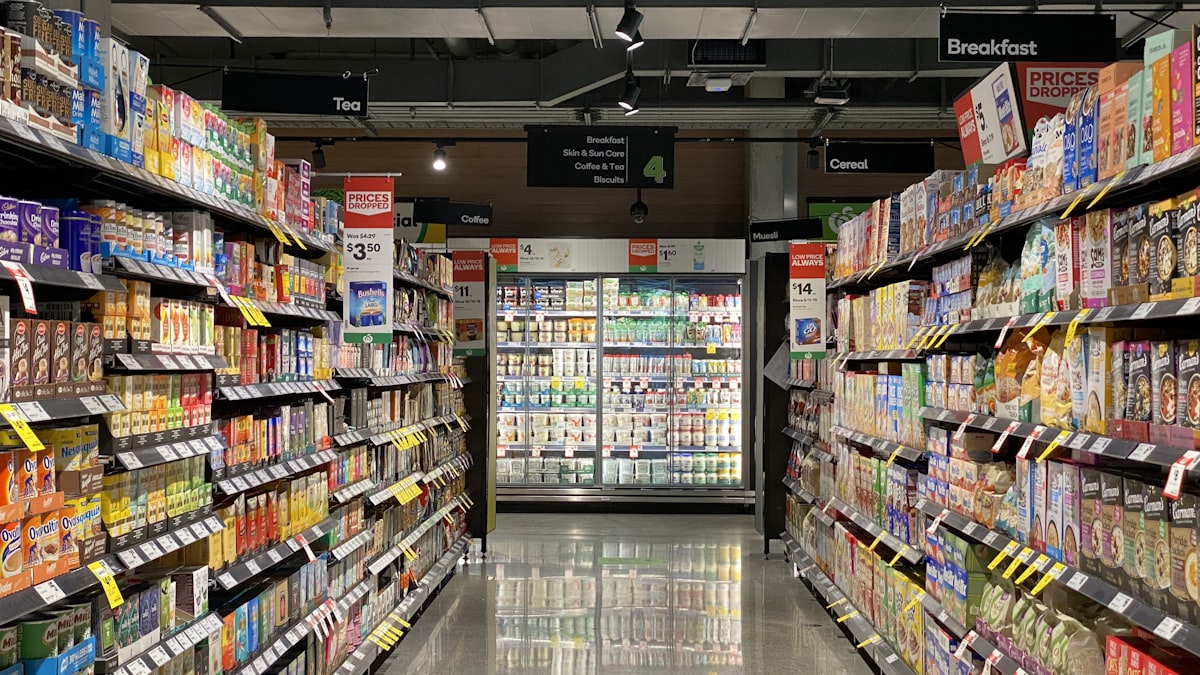
New Shop Opening Ideas Under INR 5 Lakhs (Low Investment)
These shop business ideas require minimal capital and are ideal for first-time entrepreneurs. The key to success at this budget level is choosing a high-demand niche and a location with strong foot traffic.
1. Mobile Accessories and Repair Shop
- Investment: INR 2-5 lakhs (inventory, basic tools, shop deposit)
- Monthly revenue: INR 1-4 lakhs. Margins: 30-50% on accessories, 60-80% on repairs
- Why it works: India has 750 million smartphone users. Screen repairs, tempered glass, cases, chargers, and earphones are daily-demand items with excellent margins
- Best locations: Near colleges, bus stands, railway stations, and high foot traffic commercial streets. A 100-200 sq ft shop is enough
- Pro tip: Add phone unlocking, data recovery, and second-hand phone sales for higher margins. Shops near Samsung/Vivo/Oppo service centers get overflow repair customers
2. Tea and Snacks Shop (Chai Point Model)
- Investment: INR 1.5-4 lakhs (equipment, initial inventory, small space setup)
- Monthly revenue: INR 1-3 lakhs. Margins: 60-70% on tea, 40-50% on snacks
- Why it works: India drinks 837 million kg of tea annually. A well-located chai shop selling 300-500 cups/day at INR 15-30 per cup is a proven money-maker
- Best locations: Outside office complexes, near auto-rickshaw stands, bus stops, hospital entrances, and college gates. Morning (8-10 AM) and evening (4-7 PM) foot traffic is crucial. Analyze foot traffic patterns before signing a lease
- Growth path: Start as a cart/kiosk, upgrade to a small shop once revenue is proven. Add samosas, bread-butter, maggi for higher ticket size
3. Stationery and Photocopy Shop
- Investment: INR 2-5 lakhs (printer, laminator, binding machine, stationery inventory)
- Monthly revenue: INR 0.8-2.5 lakhs. Margins: 25-40% on stationery, 60-80% on printing/copying services
- Why it works: Every school, college, coaching center, and government office generates demand for printing, photocopying, and stationery. Demand is consistent year-round
- Best locations: Within 200 meters of schools, colleges, coaching centers, or government offices. Use competitor mapping to ensure you are not the 5th photocopy shop on the same street
- Value adds: Passport photo printing, online form filling assistance (for government services), and lamination/binding services can double your revenue
New Shop Opening Ideas: INR 5-15 Lakhs (Medium Investment)
With INR 5-15 lakhs, you can enter higher-margin categories that require more inventory or equipment. These shop business ideas in India offer stronger moats because the investment barrier keeps out some competition.
4. Salon and Beauty Services Shop
- Investment: INR 5-12 lakhs (interior, equipment, products, salon chairs, mirrors)
- Monthly revenue: INR 2-8 lakhs. Margins: 50-70% on services, 30-40% on product sales
- Why it works: India's beauty and personal care market is worth $20 billion and growing at 15% annually. Grooming is no longer optional — it is a regular expense for both men and women
- Best locations: Residential areas with young professionals and families. High-rise apartment clusters are ideal — the captive population walks in regularly. Check demographics for areas with 25-45 age group concentration
- Key insight: Men's salons are underserved in most Indian cities. A dedicated men's grooming shop (haircut + beard + facial) in a commercial area can hit profitability faster than a unisex salon
5. Pharmacy and Wellness Store
- Investment: INR 8-15 lakhs (drug license, inventory, refrigeration, interior)
- Monthly revenue: INR 3-10 lakhs. Margins: 20-30% on prescription drugs, 40-60% on OTC products and supplements
- Why it works: Healthcare spending is recession-proof. India has 8 lakh pharmacies but demand continues to grow. Adding wellness products (protein powders, vitamins, ayurvedic products) boosts margins significantly
- Best locations: Near hospitals, clinics, and diagnostic labs — this is non-negotiable. A pharmacy more than 500 meters from a hospital loses 60% of potential walk-in customers. Map nearby competitors to find underserved areas
- Regulatory requirement: You need a valid Drug License (Form 20 and Form 21) and a qualified pharmacist on staff. Budget INR 50,000-1 lakh for licensing

6. Quick Service Restaurant (QSR) or Cloud Kitchen
- Investment: INR 8-15 lakhs for a small QSR (200-400 sq ft), INR 5-10 lakhs for a cloud kitchen
- Monthly revenue: INR 3-12 lakhs. Margins: 15-25% net profit after food costs, rent, labor, and delivery commissions
- Why it works: India's food services market is growing at 10% annually. Single-menu-focus QSRs (biryani, momos, rolls, South Indian) outperform multi-cuisine restaurants because they are simpler to operate and easier to brand
- Best QSR locations: High foot traffic areas — near colleges, IT parks, markets, and transport hubs. The rent to revenue ratio for a QSR should be under 15%. Run a location analysis to verify footfall and competition density
- Cloud kitchen advantage: No expensive front-of-house, no foot traffic needed. But you need to be within delivery range of high-order-density neighborhoods. Check Swiggy/Zomato heatmaps for your area
7. Pet Shop and Pet Care Services
- Investment: INR 5-12 lakhs (inventory, grooming equipment, shop setup)
- Monthly revenue: INR 2-6 lakhs. Margins: 30-50% on products, 60-70% on grooming services
- Why it works: India's pet care market is growing at 20% annually, driven by millennials and nuclear families. Spending per pet has increased 3x in the last 5 years
- Best locations: Upper-middle-class residential neighborhoods with high concentration of apartments and independent houses. Neighborhoods like Indiranagar (Bangalore), Banjara Hills (Hyderabad), and Powai (Mumbai) have the highest pet ownership density
- Services to add: Pet grooming, pet boarding, veterinary tie-ups, pet food subscriptions — recurring revenue from grooming alone can cover your rent
New Shop Opening Ideas: INR 15-50 Lakhs (Higher Investment, Higher Returns)
With INR 15-50 lakhs, you can enter premium categories with stronger brand positioning and higher revenue per customer. These shop ideas require more capital but typically offer faster break-even and better long-term returns.
8. Electronics and Gadgets Store
- Investment: INR 15-40 lakhs (inventory is the biggest cost — laptops, smartphones, accessories)
- Monthly revenue: INR 5-20 lakhs. Margins: 8-15% on branded electronics, 25-40% on accessories and extended warranties
- Why it works: India's consumer electronics market is worth $100 billion. While online captures 30%, most customers still prefer to see and try electronics before buying — especially laptops, headphones, and smartwatches
- Best locations: Commercial high streets and market areas — Nehru Place (Delhi), SP Road (Bangalore), Lamington Road (Mumbai). Being near other electronics shops actually helps (cluster effect draws more buyers)
- Margin hack: Accessories and extended warranties generate 3-5x higher margins than the electronics themselves. A well-trained staff that upsells accessories can double your net profit
9. Gym and Fitness Studio
- Investment: INR 15-50 lakhs (equipment, interior, soundproofing, AC, deposit)
- Monthly revenue: INR 3-15 lakhs. Margins: 40-60% once memberships cover fixed costs
- Why it works: India's fitness industry is growing at 18% annually. The gym penetration rate is just 2-3% compared to 20%+ in the US — massive room for growth, especially in Tier 2 cities
- Best locations: Within residential catchment of 2-3 km radius with high concentration of 20-40 year olds. Check demographics for age and income data. Ground floor with parking is critical — gyms above the 2nd floor lose 30% of potential members. Read our guide on how to choose the best gym location
- Niche opportunity: Specialized studios (CrossFit, Zumba, yoga, women-only gym) can charge 2-3x more per member than general gyms and need less space
10. Franchise Store (Proven Brand)
- Investment: INR 10-50 lakhs depending on the brand. Low-cost franchises (Amul, Chaayos, Wow! Momo) start at INR 10-15 lakhs. Premium franchises (Subway, Domino's, Lenskart) need INR 25-50 lakhs
- Monthly revenue: Varies widely. A well-located Amul franchise can do INR 5-10 lakhs/month; a Domino's franchise can do INR 15-40 lakhs/month
- Why it works: You get a proven business model, brand recognition, supply chain, and marketing support. The failure rate of franchises is 50% lower than independent businesses in the first 3 years. Read our detailed franchise comparison guide
- Location is everything: Franchises live or die by location. The brand provides the product — you provide the location. Run a Go/No-Go analysis on every potential location before committing to a franchise agreement
- Hidden costs to budget: Royalty fees (5-8% of revenue), marketing contributions (2-4%), mandatory renovations every 3-5 years. Factor these into your rent to revenue calculations
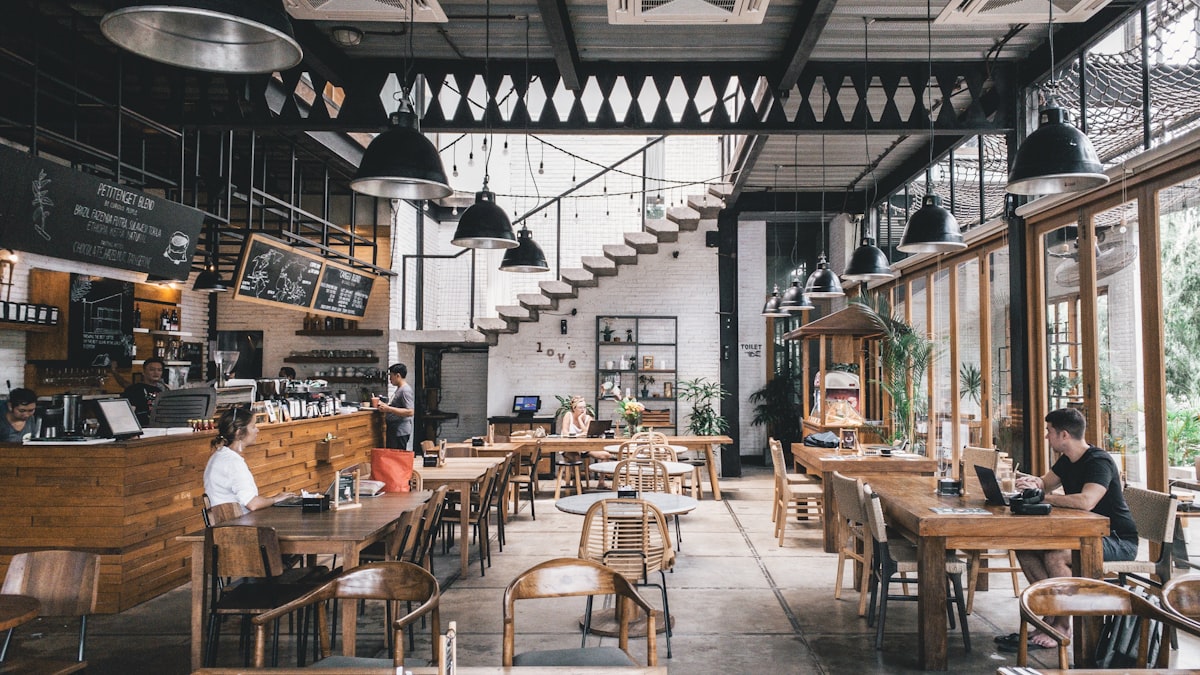
How to Choose the Right Location for Your New Shop in India
Location is the single most important decision when opening a new shop in India. A great product in a bad location will fail. An average product in a great location will survive. Here is how to evaluate locations systematically.
- Step 1: Define your customer. Who buys from you? Students? Families? Office workers? This determines which neighborhoods to target. Use demographics data to find areas where your target customer lives or works
- Step 2: Count foot traffic. Visit the location at different times — morning, afternoon, evening, weekday, weekend. The busiest period should align with your peak selling hours. Foot traffic analysis can automate this
- Step 3: Map competitors. How many similar shops are within 500 meters? 1 km? Some competition validates demand (people come to the area for your category). Too much competition splits the market. Use competitor mapping to get an accurate count
- Step 4: Calculate your rent to revenue ratio. Your monthly rent should be under 10-15% of your expected monthly revenue. If rent is INR 50,000/month, you need to generate at least INR 3.5-5 lakhs/month. Read our rent to revenue ratio guide for industry benchmarks
- Step 5: Check accessibility. Is there parking? Is it on the main road or a side lane? Can delivery vehicles access it? Is public transport nearby? Shops on side lanes get 40-60% less walk-in traffic than main road shops
- Step 6: Run a full location analysis. Spotfic's location analysis tool combines all of these factors — demographics, foot traffic, competition, rent estimates — into a single Go/No-Go recommendation. Start with 2 free reports
Common Mistakes When Opening a New Shop in India
- Overinvesting in interior and underinvesting in location. A beautiful shop in a bad location will fail. A basic shop in a great location will thrive. Allocate 30-40% of your budget to securing the right location (deposit + advance rent) and keep interior costs minimal initially
- Ignoring the rent to revenue ratio. If your rent exceeds 15% of revenue, you are starting at a disadvantage. Many first-time shop owners sign expensive leases based on hope rather than data
- Not studying seasonal patterns. Some businesses (ice cream, woolen clothing, air coolers) have extreme seasonality. Make sure your location has enough base demand during off-seasons to cover fixed costs
- Copying a successful shop without understanding their location advantage. A biryani shop does well on MG Road because of MG Road, not just because of the biryani. Before copying a business model, verify that your location has similar customer density and foot traffic
- Signing a long lease without a break clause. Always negotiate a 3-year lease with a 6-month exit clause initially. If the location does not work, you need an exit option
Frequently Asked Questions About Opening a New Shop in India
Which shop business is most profitable in India in 2026?
Pharmacies and salon/beauty services consistently rank as the most profitable shop businesses in India. Pharmacies benefit from recession-proof demand and 20-60% margins across product categories. Salons and beauty services have 50-70% margins on services. For lower investment, mobile accessory shops and chai shops offer the best returns relative to capital invested. The key factor is location — the same business can be highly profitable or a loss-maker depending on where it is located.
How much investment is needed to open a shop in India in 2026?
You can open a shop in India with as little as INR 1.5-2 lakhs (tea/snacks shop, mobile accessories) or as much as INR 50 lakhs (franchise, electronics store, gym). The median investment for a successful small shop in India is INR 5-10 lakhs, which covers inventory, shop deposit, basic interior, and 3 months of operating expenses. Always keep 3-6 months of rent and expenses as reserve capital.
What are the best locations to open a new shop in India?
The best locations depend on what you sell. For daily-need shops (grocery, pharmacy, salon), residential neighborhoods with high population density and few competitors are ideal. For impulse-buy shops (fashion, food, electronics), high foot traffic areas near malls, markets, colleges, and transport hubs work best. In all cases, verify your location with data — check foot traffic patterns, competition density, demographics, and rent-to-revenue ratios before signing a lease.
What legal requirements are needed to open a shop in India?
You need: (1) Shop and Establishment Registration from your state labor department, (2) GST Registration if annual revenue exceeds INR 40 lakhs (INR 20 lakhs for services), (3) Trade License from your municipal corporation, (4) FSSAI License for food businesses, (5) Drug License for pharmacies. You may also need a fire safety certificate, signage permission, and pollution board clearance depending on your business type. Budget INR 25,000-1 lakh and 30-60 days for all registrations.
Can Spotfic help me find the best location for my new shop?
Yes. Spotfic analyzes any address in India for population density, demographics (age, income, household composition), nearby competition, foot traffic estimates, and commercial rent benchmarks. You get a Go/No-Go score that tells you whether a location is viable for your specific business type. Compare 2-3 locations side by side to find the strongest option. Start with 2 free reports at spotfic.com/signup.
Explore related location guides
More from the Spotfic blog
- Starting a Cafe? Here's How to Pick the Right Spot
- How to Choose the Best Location for Your Gym
- How to Choose the Perfect Location for Your Salon or Spa
- How to Pick the Best Location for a Retail Store
- Where to Open a Bakery: A Location Selection Guide
About Spotfic
Spotfic is an AI-powered location analysis tool for founders, franchise owners and expansion teams. Get competitor mapping, foot traffic, rent estimates, demographics and a Go/No-Go score for any address in under 60 seconds.